


Simple Probability Strategies That Actually Work in Middle School
Teaching probability in middle school can feel like herding cats—students guess, rely on luck, or just go with “vibes.” But probability is much more than that. It’s a foundational math skill built on logic, fractions, and real-world reasoning. In this post, you’ll discover simple, classroom-tested strategies that help students move beyond guessing and actually understand probability. From hands-on activities to scaffolded practice, these approaches make probability click—without the chaos.

Flip It, Roll It, Multiply It: Independent Probability Made Simple
Teaching probability of independent events often starts with confidence—and ends with confusion. One minute students understand flipping a coin, and the next they’re wondering why flipping it twice suddenly requires multiplying fractions. In “Flip It, Roll It, Multiply It: Independent Probability Made Simple,” we unpack why students struggle with independent events, how misconceptions form, and what actually helps the concept stick. From concrete examples and visuals to a repeatable multiplication structure, this post shows how to move students from guessing to real probabilistic reasoning—no luck required.
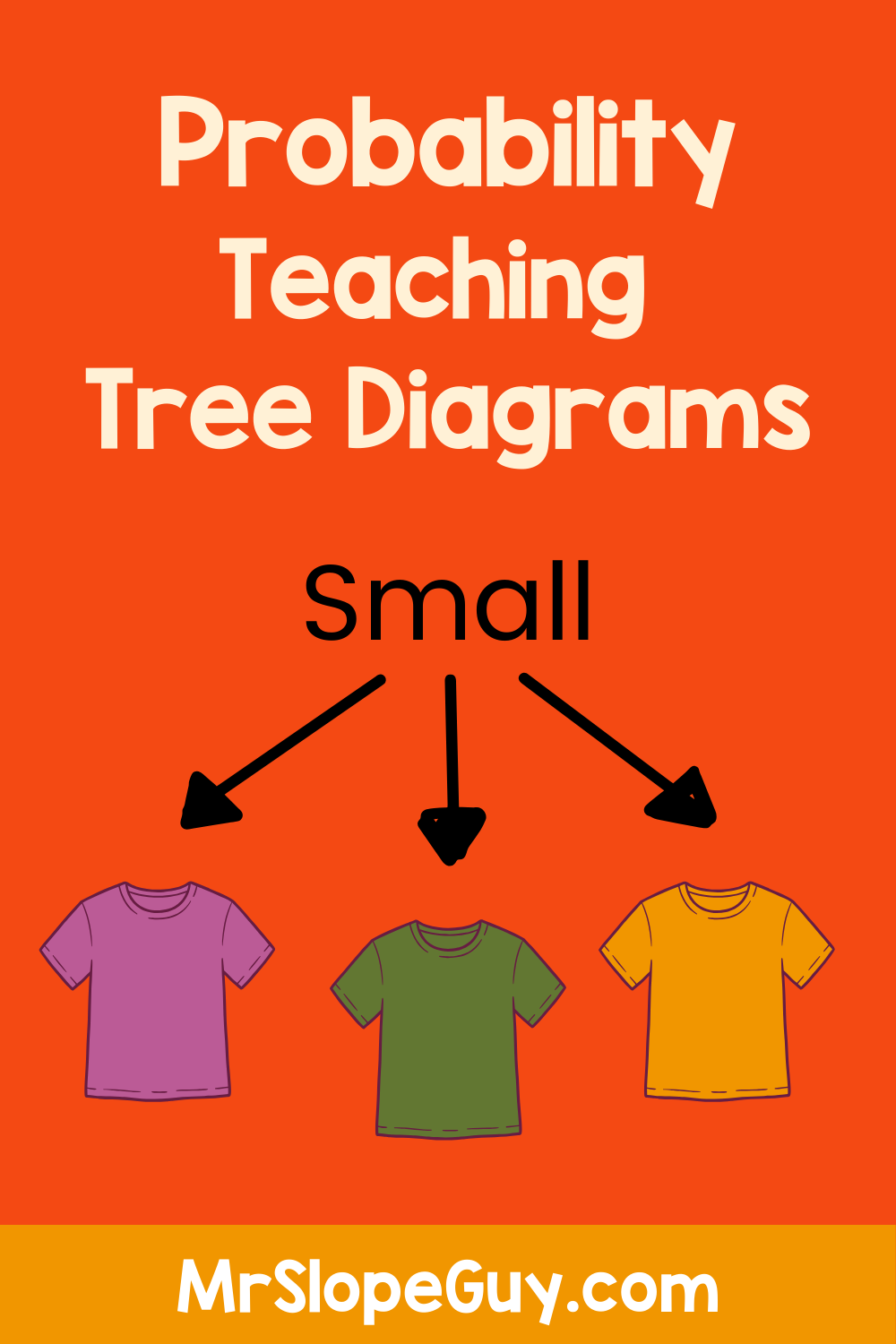
Probability Tree Diagrams: Branching Out into Better Math Thinking
Teaching probability doesn’t have to feel like navigating a jungle of confusion. Probability tree diagrams give students a clear, visual way to break down multi-step events, organize outcomes, and understand when to multiply or add probabilities. In this post, we explore why tree diagrams are such a powerful teaching tool, common student struggles they solve, and fun, classroom-tested ways to make probability finally click for middle school and Algebra 1 learners.
Teaching Probability to Middle School Students: Board Game Connections
Teaching probability to middle schoolers can be a blast with engaging, hands-on activities. Using tools like dice, cards, spinners, and real-world games, students gain practical experience with concepts like simple probability, sample space, and independent events. This approach not only makes math class interactive and fun but also equips students with critical thinking skills to analyze and predict outcomes in everyday life. Here’s a guide to introducing probability in a way that’s both educational and enjoyable.