Homeschooling middle and high school students offers families the unique opportunity to teach subjects that truly prepare teenagers for adulthood. While algebra, science, history, and literature remain important, one subject stands out because every student will use it for the rest of their life: financial literacy.
Learning how to manage money is one of the most valuable life skills a teenager can develop. Understanding budgets, banking, taxes, loans, credit, investing, and paying for college gives students confidence long before they enter the workforce or begin living independently.
Financial literacy is such a great topic for homeschool because you can improve reading and writing skills while covering real-life skills that will benefit every child for the rest of their life. Everyone needs to understand how money works. Preparing for the SAT and ACT should include reading financial literacy passages and demonstrating reading comprehension through writing responses and multiple-choice questions.
Why Financial Literacy Belongs in Every Homeschool
Many traditional curricula spend very little time teaching students how money actually works. Yet within just a few years of graduation, teens will likely need to:
Open checking and savings accounts
Use debit and credit cards responsibly
Build good credit
Pay taxes
Apply for college or career training
Compare student loans
Create a personal budget
Save and invest money
Understand interest rates
Evaluate major financial decisions
Homeschooling gives parents the flexibility to intentionally include these practical life skills alongside traditional academics.
Common Challenges Homeschooling Middle and High School Students
Homeschooling middle and high school students can be incredibly rewarding, but it also comes with challenges that differ from elementary education. As students become more independent and coursework becomes more rigorous, parents often need additional resources and support.
Keeping Students Motivated
As students get older, motivation can become a daily battle.
Common challenges include:
Lack of interest in assignments
Screen distractions
Difficulty working independently
Many homeschool parents discover that engaging activities such as reading passages, games, riddles, projects, and real-world applications keep students interested far better than relying solely on traditional textbooks.
Preparing for College and Careers
Parents often wonder:
Am I covering everything?
What credits count?
How do SAT or ACT preparation fit into our schedule?
Planning lessons every day can become overwhelming, especially when trying to prepare students for both college entrance exams and adult responsibilities.
Financial literacy naturally supports college readiness because students practice reading informational text, analyzing data, solving problems, and writing evidence-based responses.
Finding High-Quality Curriculum
With thousands of curriculum options available, choosing the right materials can feel overwhelming.
Parents often ask:
Which programs align with state standards?
Which materials are age appropriate?
Which resources are worth the investment?
Which activities actually keep students engaged?
High quality curriculum combines academic rigor with practical application while offering a variety of activity types that appeal to different learning styles.
Teaching Real Life Skills
Many homeschool families intentionally include life skills alongside core academic subjects.
Popular topics include:
Budgeting
Banking
Credit scores
Taxes
Paying for college
Loans
Investing
Careers and salaries
Because these topics are often missing from traditional curricula, parents frequently seek supplemental resources that prepare students for adulthood.
Why Reading Passages Work So Well
Financial literacy provides an excellent context for improving reading comprehension.
Instead of reading fictional stories, students analyze informational passages about topics they will actually encounter as adults.
Examples include:
Understanding credit reports
Comparing loans
Paying for college
Building a budget
Filing taxes
Evaluating checking accounts
Students practice identifying main ideas, supporting details, vocabulary, cause and effect relationships, and critical thinking while learning practical money management.
Why Writing Prompts Matter
Writing about financial decisions strengthens both communication skills and critical thinking.
Students might explain:
Why maintaining good credit matters
How a family budget helps achieve financial goals
The advantages and disadvantages of student loans
How interest affects borrowing
Ways to reduce unnecessary spending
These responses reinforce financial concepts while building the writing skills expected in high school, college, and many careers.
Why Fun Riddles Increase Engagement
Not every assignment has to feel like a test.
Financial literacy riddles transform practice into an enjoyable challenge.
Students remain motivated because each correct answer reveals clues that solve the riddle, providing immediate feedback and encouraging persistence.
Riddles are especially effective for reluctant learners who benefit from a more interactive approach.
Why SAT-Style Multiple-Choice Questions Help
Many homeschool parents want lessons that prepare students for standardized testing without purchasing separate test preparation materials.
SAT style multiple choice questions encourage students to:
Read carefully
Analyze evidence
Eliminate incorrect answers
Apply information from passages
Practicing these skills within meaningful financial literacy topics prepares students for college entrance exams while teaching essential life skills.
Three Financial Literacy Bundles Designed for Homeschool Families
These affordable bundles provide comprehensive financial literacy instruction while strengthening reading, writing, and critical thinking skills. Each bundle is priced between $15 and $20, making them an excellent value for homeschool families.
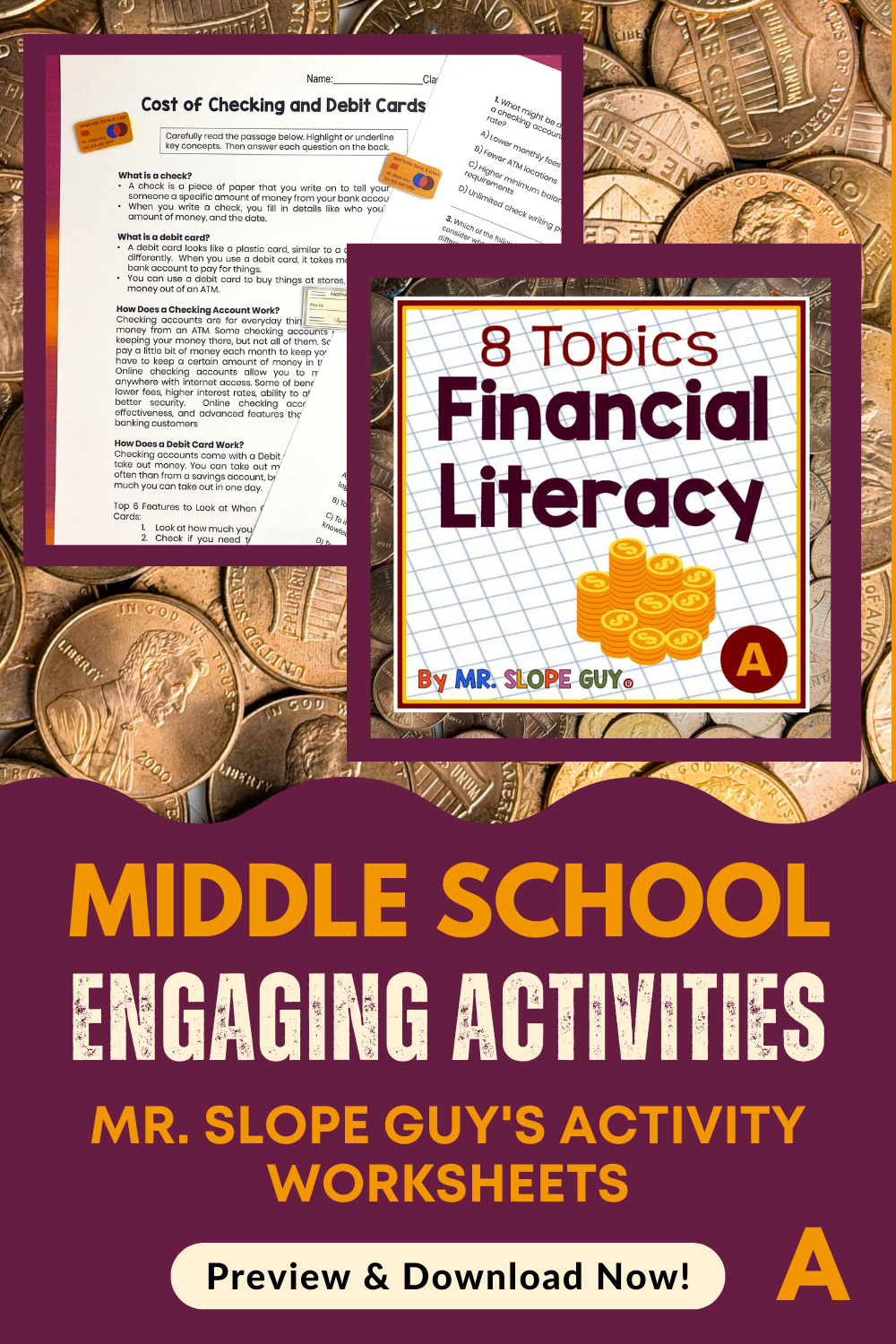
Bundle A: Foundations of Personal Finance
Bundle A includes:
Reading passages
Fun riddle activities
Short answer questions
Multiple choice questions
Writing prompts
Topics include:
Checking Account Balance
Checking Accounts and Debit Cards
Credit Cards versus Debit Cards
Credit History
Credit Reports to Borrowers and Lenders
Introduction to Credit Reports
How to Pay for College
Occupations and Salaries
Students build strong foundational knowledge while improving reading comprehension and written communication.
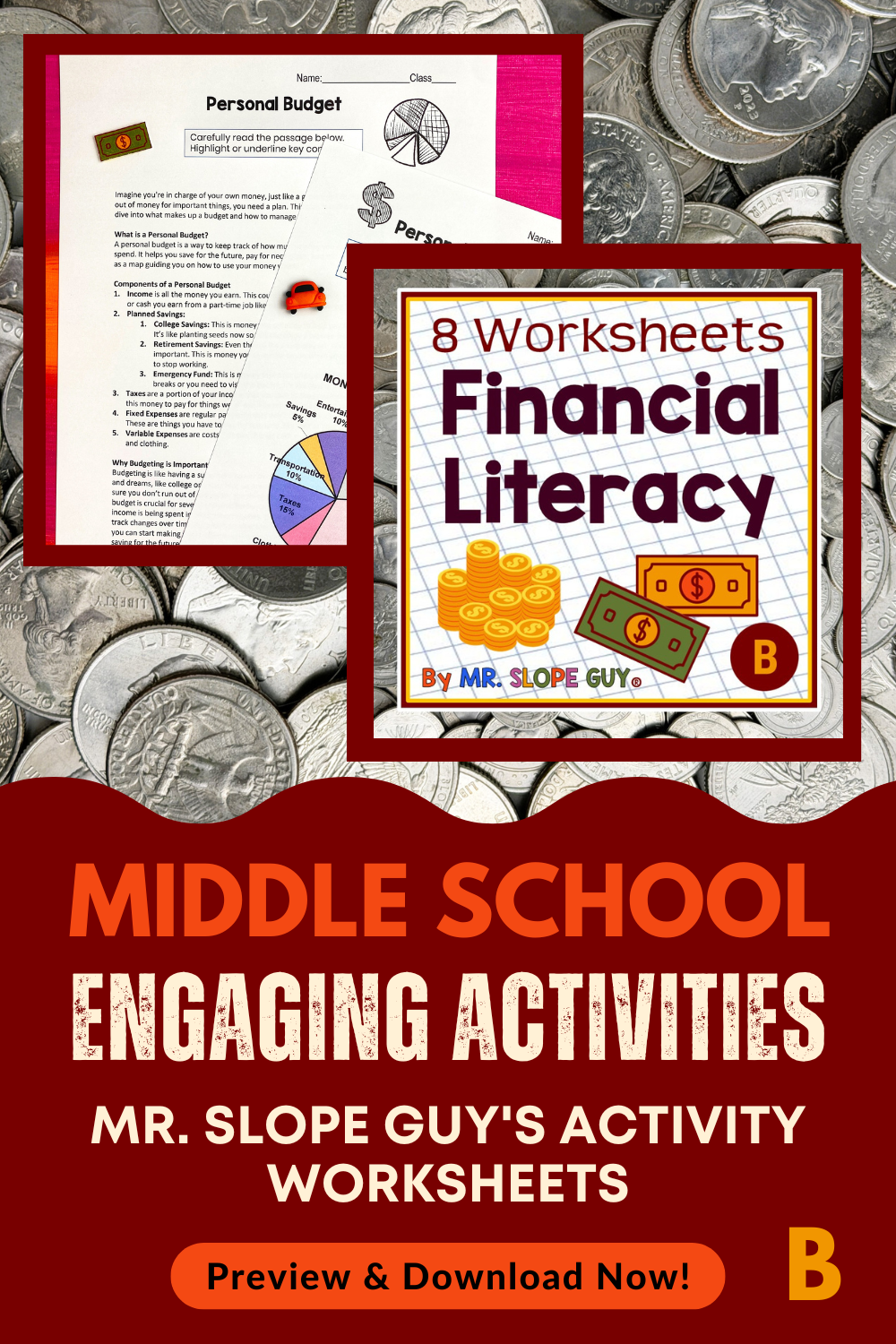
Bundle B: Budgeting, Taxes, and Money Management
Bundle B also includes:
Reading passages
Fun riddle activities
Short-answer questions
Multiple choice questions
Writing prompts
Topics include:
Income Tax
Sales Tax
Net Worth Statements
Personal Budget
Simple and Compound Interest
Monetary Incentives
Family Budget
These lessons help students understand everyday financial decisions that every adult eventually faces.
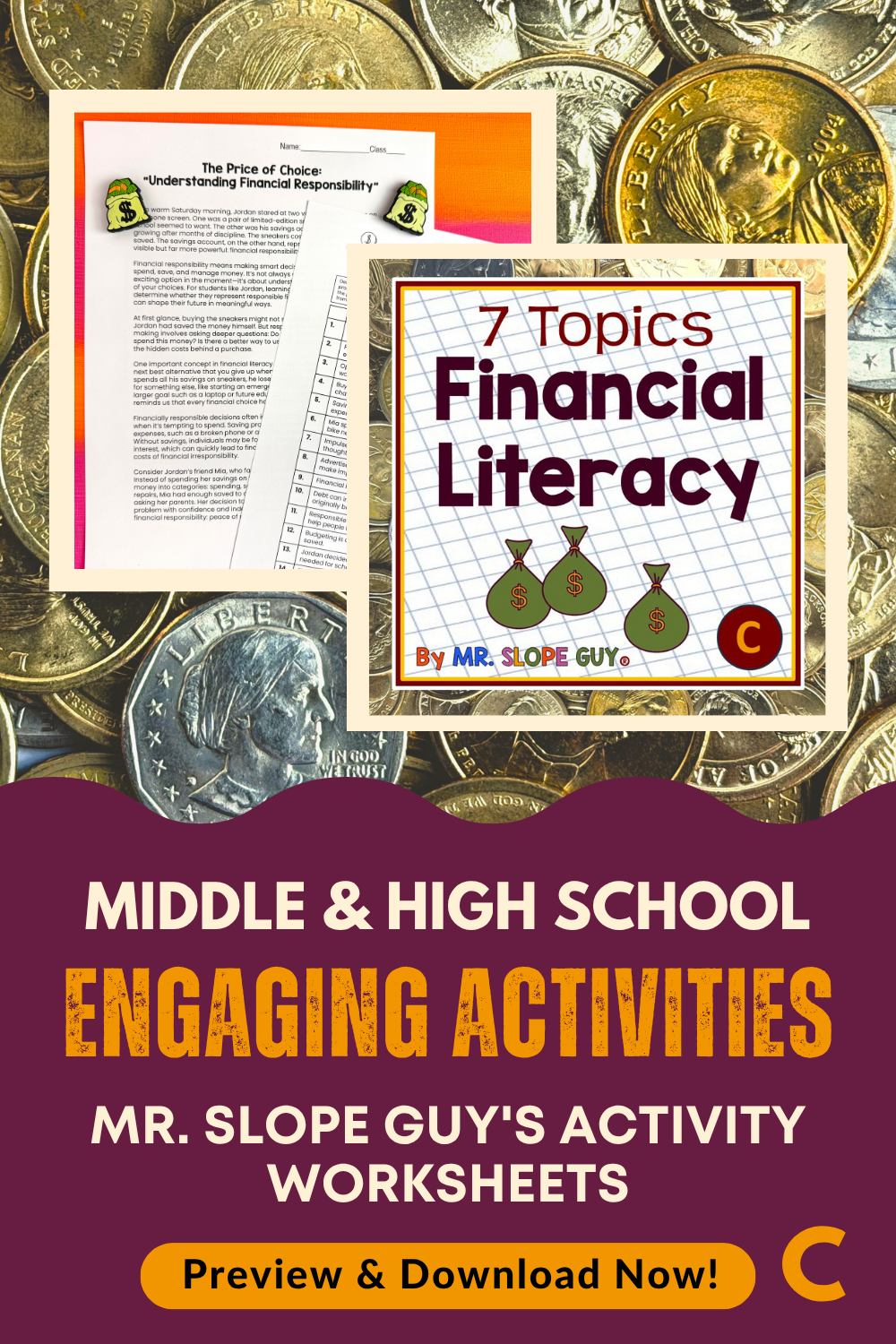
Bundle C: Preparing for Adult Financial Decisions
Designed for grades 8 and 9, Bundle C contains:
Reading passages
True or false riddles
Multiple choice questions
Written responses
Essay questions
Problem solving worksheets
Topics include:
Total Cost of Loan Repayment
Cost of College
Payment Methods
Loans Over Time
Dollar Cost Averaging
Financial Responsibility
Simple and Compound Interest
Students develop deeper analytical skills while exploring real-world financial situations they will encounter after graduation.
Practical Strategies That Help Homeschool Families Succeed
Many successful homeschool families overcome common challenges by:
Following a consistent daily routine.
Using high quality, standards-aligned curriculum.
Incorporating interactive activities.
Breaking large assignments into smaller tasks.
Including real world applications such as budgeting, financial literacy, and career exploration.
Regularly reviewing progress and adjusting instruction as needed.
Financial literacy naturally fits each of these strategies because students can immediately connect classroom learning with everyday life.
An Investment That Lasts a Lifetime
Few subjects provide the long term value of financial literacy. Every student will eventually earn money, spend money, save money, borrow money, and make important financial decisions.
By combining reading passages, writing prompts, engaging riddles, and SAT style multiple choice questions, homeschool parents can strengthen reading comprehension, writing ability, critical thinking, and problem solving while teaching practical life skills.
These lessons help students prepare not only for standardized tests and college but also for responsible adulthood. Whether your teen plans to attend college, enter the workforce, or pursue technical training, understanding how money works is a skill that will continue paying dividends for decades to come.
For homeschool families seeking engaging, affordable, and standards aligned resources, these three financial literacy bundles provide an excellent way to teach essential money management while building strong academic skills in reading, writing, and critical thinking.